
Newsletter Subscribe
Enter your email address below and subscribe to our newsletter

 ByPcmanfm
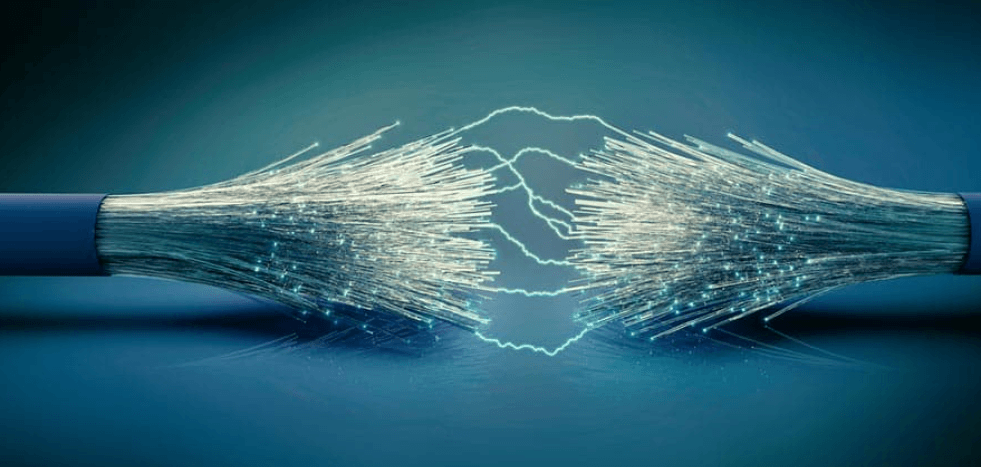
Fiber internet is one of the fastest and most reliable types of broadband internet available today. It uses fiber-optic cables made of thin strands of glass or plastic to transmit data as light signals, allowing for extremely high-speed internet connections with low latency and consistent performance. Fiber internet is widely used by homes, businesses, educational institutions, and organizations that require fast and stable connectivity.
Whether you’re streaming 4K videos, playing online games, working remotely, attending virtual classes, or managing a business network, fiber internet offers significant advantages over many traditional internet technologies. This guide explains what fiber internet is, how it works, its features, benefits, applications, challenges, and tips for choosing the right fiber internet service.
Fiber internet is a broadband internet service that uses fiber-optic cables to transmit digital data through pulses of light. This technology enables high-speed internet connections with excellent reliability and reduced signal loss over long distances.
Unlike traditional copper-based connections, fiber-optic networks are designed to handle large amounts of data efficiently while maintaining consistent performance.
Thin strands of glass or plastic carry light signals that represent digital information.
Instead of using electrical signals, fiber internet transmits data using pulses of light, allowing information to travel at very high speeds.
The fiber network connects users to an Internet Service Provider (ISP), which delivers internet access to homes and businesses.
A modem or optical network terminal connects the fiber service to a router, allowing multiple devices to access the internet through wired or wireless connections.
Fiber internet supports very fast download and upload speeds, making it suitable for demanding online activities.
Reduced network delay improves real-time applications such as online gaming, video conferencing, and cloud computing.
Fiber-optic cables are less susceptible to signal interference, providing consistent internet performance.
Many fiber internet plans offer similar download and upload speeds, improving file sharing, cloud backups, and remote work.
Fiber networks support many connected devices without significantly reducing performance.
Large files, software updates, and media content can be downloaded quickly.
Fiber internet supports smooth streaming of high-definition and ultra-high-definition videos with minimal buffering.
Stable connections help support video meetings, cloud applications, and file sharing.
Low latency provides a more responsive gaming experience.
Multiple smart home devices can remain connected simultaneously without major performance issues.
Families use fiber internet for streaming, gaming, browsing, education, and remote work.
Organizations depend on fiber internet for communication, cloud computing, online collaboration, and customer service.
Students and teachers participate in online learning, virtual classrooms, and educational research.
Healthcare providers use reliable internet connections for telemedicine, patient communication, and digital records.
Businesses and individuals access cloud storage, online software, and collaborative platforms efficiently.
Video creators, designers, and developers benefit from faster uploads and improved online productivity.
Offers high speeds, low latency, reliable performance, and strong support for multiple connected devices.
Provides broadband connectivity using cable television infrastructure but may experience performance variations during peak usage.
Uses traditional telephone lines and generally offers lower speeds than fiber.
Provides connectivity in remote areas but may experience higher latency due to long-distance signal transmission.
Uses wireless signals between towers and customer equipment, making it suitable in areas where wired services are limited.
Fiber internet is not yet available in every location, particularly in some rural or remote areas.
Installing fiber service may require specialized equipment and infrastructure.
Pricing varies depending on location, provider, and selected internet plan.
Users may need compatible networking equipment to maximize fiber internet performance.
Review internet speed options, pricing, and service features before selecting a provider.
Choose an internet plan that matches the number of users and connected devices in your home or business.
Use a modern router capable of supporting your internet speed and wireless requirements.
Place your router in a central location to improve wireless coverage throughout your home.
Use strong passwords, updated firmware, and modern Wi-Fi security settings to protect your internet connection.
Fiber internet supports some of the fastest residential and business internet connections available.
Reliable performance makes fiber ideal for streaming, gaming, remote work, and online learning.
Fiber-optic infrastructure is designed to support growing internet demands and emerging technologies.
Fiber internet can efficiently support households and workplaces with many connected devices.
Fiber internet is a broadband service that uses fiber-optic cables to transmit data through light signals, providing fast and reliable internet connectivity.
Fiber-optic cables transmit data using light, allowing high-speed communication with low signal loss and reduced interference.
Yes. Fiber internet offers low latency and stable performance, making it well suited for online gaming.
Yes. Fiber internet is designed to handle many connected devices simultaneously while maintaining strong performance.
Availability depends on local infrastructure. While coverage continues to expand, fiber internet may not yet be available in every area.
Fiber internet is one of the most advanced broadband technologies available, offering exceptional speed, reliability, low latency, and excellent support for modern digital lifestyles. Whether you work from home, stream high-quality video, play online games, manage a business, or connect numerous smart devices, fiber internet provides the performance needed for today’s connected world. By selecting an appropriate service plan, using compatible networking equipment, and following good network management practices, you can enjoy a fast, stable, and future-ready internet experience.
